
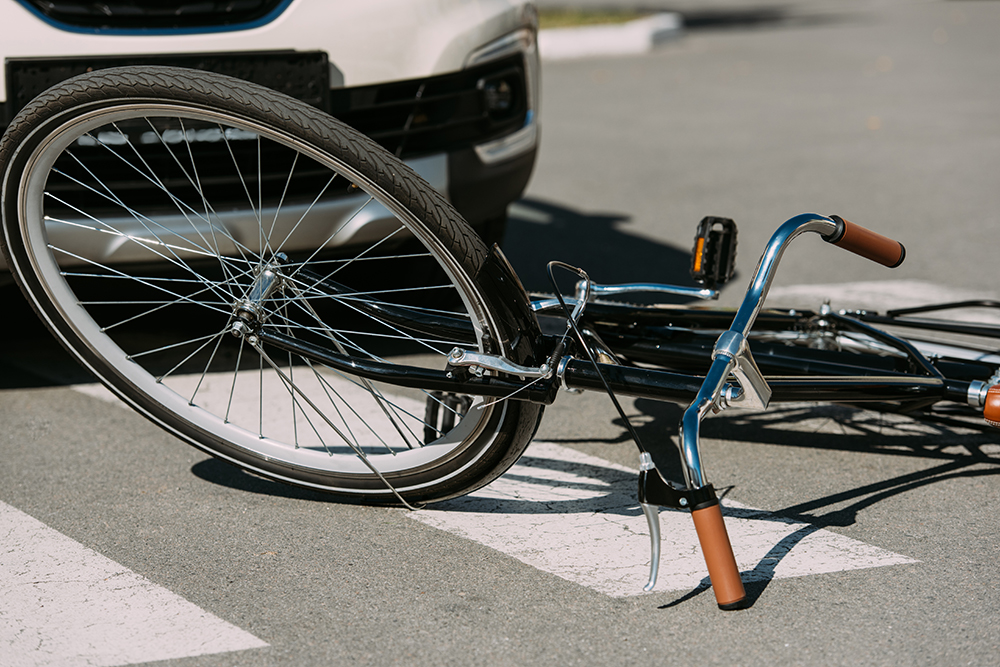
Common Causes Of Bicycle Accidents With Motor Vehicles
Bicycling is an increasingly popular way to commute, exercise, and enjoy time outdoors. Unfortunately, cyclists remain one of the most vulnerable groups on the road. When bicycles and motor vehicles collide, the results are often serious because cyclists have little physical protection. Understanding the most common causes of bicycle accidents with motor vehicles helps highlight why these crashes occur and how many of them are preventable. Below, our colleagues at Ganderton Law, LLC explain some of the most common causes of bicycle accidents.
Drivers Failing to See Cyclists
One of the most common causes of bicycle accidents is simple visibility failure. Drivers often claim they “didn’t see” the cyclist before the collision. This happens because:
- Cyclists are smaller than vehicles
- Drivers may not actively look for bikes
- Cyclists can blend into traffic or surroundings
- Drivers may be distracted or scanning only for cars
Intersections are particularly dangerous because drivers may focus on oncoming vehicles while overlooking cyclists traveling straight through.
Failure to Yield at Intersections
Many bicycle accidents occur when drivers fail to yield the right of way. Common scenarios include:
- Drivers turning left across a cyclist’s path
- Drivers turning right without checking for cyclists traveling straight
- Vehicles pulling out from stop signs or driveways
- Drivers rolling through stops without fully stopping
Cyclists who are lawfully using the roadway or crossing an intersection often have the same rights as motor vehicles, yet those rights are frequently ignored.
Unsafe Passing and Lack of Clearance
Passing a cyclist too closely is another leading cause of serious crashes. Some drivers underestimate how much space a cyclist needs to ride safely. Unsafe passing can involve:
- Passing without changing lanes
- Passing at high speeds
- Squeezing between cyclists and parked cars
- Failing to account for wind, road conditions, or cyclist movement
Close passes increase the risk of sideswipes, forced evasive maneuvers, and loss of control.
Distracted Driving
A bicycle accident lawyer knows that distracted driving poses a major threat to cyclists. Drivers who are texting, using navigation systems, adjusting controls, or otherwise distracted may:
- Drift into bike lanes
- Fail to notice cyclists slowing or stopping
- Miss cyclists entirely at intersections
- React too late to avoid a collision
Because cyclists are less visible than vehicles, distracted drivers are far more likely to miss them.
Opening Car Doors into Cyclists (“Dooring”)
Dooring accidents happen when a parked driver or passenger opens a car door into the path of a cyclist. These collisions can cause cyclists to:
- Slam directly into the door
- Be thrown into traffic
- Suffer head, spinal, or facial injuries
Dooring often occurs in urban areas and is frequently preventable with proper awareness and caution.
Unsafe Lane Changes and Merging
Drivers may collide with cyclists when changing lanes or merging without checking blind spots. This can happen when:
- Drivers assume bike lanes are empty
- Cyclists are traveling alongside traffic
- Drivers fail to signal
- Cyclists are riding at normal traffic speeds
Because bicycles can move faster than expected, drivers may misjudge their position or speed.
Speeding and Aggressive Driving
Speeding reduces reaction time and increases impact force. Aggressive driving behaviors—such as tailgating, honking, or cutting off cyclists—create especially dangerous situations.
Even a minor collision at higher speeds can cause catastrophic injuries for a cyclist.
Poor Road Conditions
Road hazards that are minor inconveniences for cars can be dangerous for bicycles. These include:
- Potholes
- Gravel or debris
- Uneven pavement
- Poorly designed bike lanes
- Drain grates or cracks
Drivers who swerve suddenly to avoid hazards may strike cyclists, and cyclists may lose control when forced to navigate unsafe road conditions.
Why Bicycle Accidents Often Cause Serious Injuries
Cyclists lack the protective shell of a vehicle. As a result, collisions frequently lead to:
- Traumatic brain injuries
- Broken bones
- Road rash and lacerations
- Spinal injuries
- Internal injuries
Helmets and reflective gear help reduce risk, but they cannot prevent all harm when a vehicle is involved.
Final Thoughts
Bicycle accidents with motor vehicles are rarely random. They are often the result of inattention, impatience, or failure to respect cyclists’ presence on the road. Awareness, caution, and shared responsibility can significantly reduce these crashes.
Understanding the most common causes helps both drivers and cyclists take steps toward safer roads and fewer preventable injuries.